Categories
Fire alarm manual stations are crucial for initiating evacuation, complementing automated systems, and ensuring building safety through human intervention when needed.
Manual pull stations represent a vital component of comprehensive fire protection systems, offering a direct means for occupants to activate the fire alarm. While automated systems like smoke detectors provide rapid initial response, human observation often detects fires faster, necessitating manual intervention. These stations, strategically placed throughout a building, allow individuals to immediately signal an emergency, initiating evacuation procedures and alerting emergency services.
They serve as a crucial backup and complement to automatic detection, ensuring a swift response regardless of system limitations.
Manual activation of fire alarm systems is paramount for several reasons, primarily because it provides a reliable backup when automatic systems fail to detect a fire promptly. Human observation can often identify a fire before sensors, allowing for quicker response times. Pull stations empower building occupants to take immediate action, initiating evacuation and potentially saving lives.
This direct intervention is especially critical in situations where automated systems are compromised or slow to react, ensuring comprehensive fire safety.
Fire alarm pull stations are broadly categorized as single-action or dual-action, differing in the steps required for activation and offering varied reliability.
Single-action pull stations represent the simpler design, requiring only a single motion – typically a downward pull on the handle – to activate the fire alarm system. This immediate activation is beneficial for swift response in emergency situations. They are widely utilized due to their straightforward operation and ease of use for all occupants, regardless of physical ability. However, this simplicity also means they are potentially more susceptible to accidental activation, necessitating careful placement to minimize false alarms. These stations are a foundational element in many fire safety plans, providing a readily accessible means of manual alarm initiation.
Dual-action pull stations incorporate a two-step activation process, reducing the risk of accidental alarms. Typically, this involves lifting a cover or breaking a glass element before pulling the activation lever. This added step requires deliberate intent, making false activations less likely. While slightly more complex to operate, they offer enhanced reliability in high-traffic areas or locations prone to accidental contact. These stations are favored where minimizing false alarms is paramount, providing a more secure and intentional method of initiating a fire alarm response.
Single-action pull stations activate with a simple pull, offering immediate operation but a higher risk of accidental activation. Dual-action stations require two steps – lifting a cover and pulling a lever – significantly reducing false alarms. Single-action are simpler for all users, while dual-action prioritize security. The choice depends on the environment; high-traffic areas benefit from dual-action’s reliability, while simpler operation might suit less vulnerable locations. Ultimately, both fulfill the critical role of manual fire alarm activation.

Manual pull stations consist of a housing, activating lever, and often a breakable element like glass, alongside a reset mechanism for system restoration.
Pull station housings are engineered for durability and visibility, typically constructed from robust materials like metal or high-impact plastic. These materials withstand harsh environments and potential vandalism, ensuring reliable operation during emergencies. The housing protects internal components from dust, moisture, and accidental damage.
Color-coding, often red, enhances visibility, aiding quick location in low-light conditions. Construction adheres to strict standards, prioritizing longevity and resistance to physical stress. The design also considers ease of access for inspection and maintenance, contributing to overall system reliability and safety.
The activating lever is the primary interface for initiating a fire alarm. Its design varies between single and dual-action stations, but the core function remains consistent: to mechanically trigger the alarm signal. Mechanisms employ a spring-loaded system, requiring deliberate force to overcome resistance and activate the alarm.
Robust construction ensures reliable operation even after prolonged inactivity or partial activation. Internal linkages transmit the lever’s motion to a switch, completing the circuit and alerting the fire alarm control panel. Proper functionality is vital for a swift emergency response.
Certain manual pull stations utilize a glass rod protected by a hinged cover. Activation requires breaking the glass with a striker, typically a small hammer integrated into the station’s design. This method provides a clear visual indication of tampering or accidental activation, enhancing security and accountability.
The broken glass simultaneously triggers the alarm signal. While less common in modern installations, these stations remain prevalent due to their simplicity and reliability, offering a distinct activation method.
After activation, a manual pull station requires a reset to restore the system to its normal state. This typically involves using a key or specialized tool to return the activating lever to its original position. The reset mechanism ensures the alarm doesn’t remain continuously triggered, preventing unnecessary disruption.
Proper resetting confirms the system’s functionality and readiness for future events, crucial for maintaining fire safety protocols and avoiding false alarm complications.
The IBC (International Building Code) dictates fire alarm requirements, including manual pull stations, based on building classification and use group designations for safety.
The International Building Code (IBC) establishes crucial guidelines for fire alarm systems, directly impacting manual pull station installations. Section 907 of the IBC details the specific requirements based on a building’s occupancy classification, or “Use Group.” This categorization determines whether a manual fire alarm system – relying on pull stations – or an automatic system, like smoke detectors, is mandated.
IBC regulations address the type of initiating devices needed, ensuring adequate coverage and accessibility throughout the building. Compliance with these codes is paramount for life safety and legal adherence, guaranteeing a responsive and reliable fire alarm system.
Strategic placement of manual pull stations is vital for accessibility and effectiveness. The IBC dictates maximum spacing intervals, ensuring a station is readily available along evacuation routes. Generally, stations must be positioned within a specific travel distance, typically 200 feet, depending on building occupancy and layout.
They should be conspicuously located near exits and on the normal path of egress, easily visible and reachable, avoiding obstructions. Proper spacing guarantees occupants can quickly activate the alarm, initiating a swift and safe evacuation.
ADA standards mandate that manual pull stations are accessible to individuals with disabilities. This includes mounting height requirements, typically no higher than 48 inches from the floor, with a clear floor space for approach. Activating mechanisms must be operable with one hand and not require tight grasping, pinching, or twisting of the wrist.
Signage should also comply with ADA guidelines, utilizing tactile characters and appropriate contrast for visibility. Ensuring accessibility guarantees everyone can effectively activate the alarm in an emergency.

Proper activation involves firmly pulling the lever, initiating an alarm and potentially triggering automatic systems; avoid false alarms through careful observation.
Activating a manual pull station is a straightforward, yet critical, process. Typically, for a single-action station, a firm, decisive pull downwards on the lever is required. For dual-action stations, you may need to break a glass rod or lift a cover before pulling the lever. Ensure a complete pull, as a partial activation might not register with the fire alarm control panel. Immediately after activation, evacuate the building following established procedures; Report the activation to emergency services, providing the exact location. Remember, proper activation is vital for a swift and safe response.
Upon activation, the manual pull station sends a signal to the building’s fire alarm control panel. This initiates a sequence, typically including audible alarms and visual strobes throughout the facility, alerting occupants to evacuate. The control panel may also automatically notify the fire department. Building systems, like HVAC, may shut down to prevent smoke spread. It’s crucial to evacuate immediately and follow designated emergency plans. Do not attempt to investigate the cause; leave that to trained professionals. A swift, orderly evacuation is paramount.
False alarms disrupt operations and erode trust in the fire safety system. Avoid accidental activation by educating occupants on the proper function and location of pull stations. Implement clear signage and training programs. Ensure stations are unobstructed and accessible, but not prone to accidental bumps. Report any damaged or malfunctioning stations immediately for repair. Remember, intentional misuse is illegal and carries severe penalties. Vigilance and responsible behavior are key to preventing unnecessary disruptions.
Regular inspections and testing of pull stations are vital for ensuring reliable operation, identifying damage, and maintaining compliance with fire safety codes.
Consistent visual checks are the first line of defense in maintaining fire alarm pull station readiness. Inspections should confirm the station isn’t obstructed, damaged, or painted over, hindering visibility. Verify the activating lever is freely moving and the glass (if applicable) remains intact, without cracks or breaks.
Look for any signs of corrosion or tampering. Ensure the station’s instructions are legible and facing outwards for easy understanding during an emergency. Document all inspection findings, noting any deficiencies requiring immediate attention or repair to uphold fire safety standards.
Routine testing confirms proper functionality of each manual pull station. Activate the station and verify a clear, distinct alarm signal transmits to the fire alarm control panel, initiating the programmed response. Document the time and date of each test, alongside the responding zone or device number.
Ensure the alarm is audible and visible throughout the building. Following activation, confirm the system resets correctly. Any failures must be immediately investigated and rectified by qualified personnel to maintain reliable fire detection and notification.
Annual professional inspections are vital for comprehensive system health. Qualified technicians should thoroughly examine each pull station for physical damage, corrosion, and proper lever operation. They will verify the integrity of the activating mechanism and reset functionality, ensuring reliable performance.
Maintenance includes detailed reporting, adherence to NFPA 72 standards, and prompt repair of any deficiencies. Consistent professional upkeep maximizes system lifespan and guarantees dependable operation during emergencies, protecting lives and property.
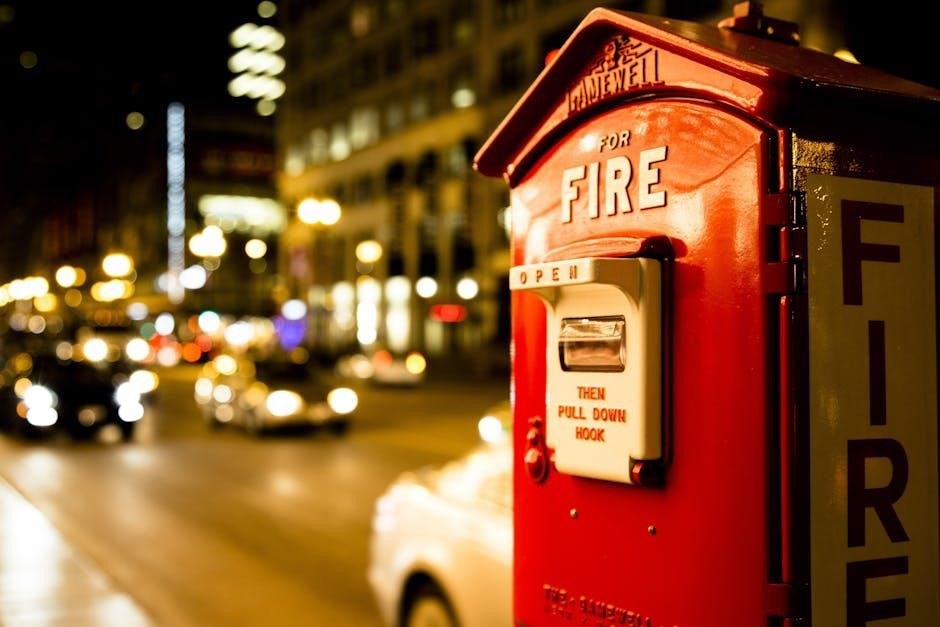
Modern pull stations now include addressable and wireless options, seamlessly integrating with fire alarm control panels for enhanced reporting and system management.
Addressable pull stations represent a significant advancement in fire alarm technology. Unlike conventional systems, each station possesses a unique address, allowing the fire alarm control panel to pinpoint the exact location of an activation. This precise identification drastically reduces search time for emergency responders, improving response efficiency and potentially saving lives.
Furthermore, addressable systems offer enhanced diagnostic capabilities, providing detailed information about the station’s status, including potential faults or tampering. This proactive monitoring contributes to system reliability and minimizes false alarms, ensuring a swift and accurate response when needed. They offer a more sophisticated and informative approach to fire safety.
Wireless pull stations offer a flexible and cost-effective solution, particularly in buildings where running traditional wiring is challenging or impractical. These stations utilize radio frequency (RF) communication to transmit activation signals to the fire alarm control panel, eliminating the need for extensive cabling. Installation is significantly faster and less disruptive, making them ideal for renovations or historic structures.
However, it’s crucial to ensure robust RF signal strength and reliable battery life for consistent performance. Regular battery checks and signal testing are essential to maintain system integrity. Wireless options provide convenience and adaptability without compromising fire safety.
Seamless integration with a fire alarm control panel (FACP) is paramount for effective fire safety. Manual pull stations transmit activation signals to the FACP, which then initiates pre-programmed responses – activating audible and visual alarms, notifying emergency services, and potentially controlling other building systems like HVAC.
Addressable pull stations offer enhanced functionality, providing specific location details to the FACP, speeding up response times. Proper configuration and regular testing of this integration are vital to ensure reliable operation during an emergency, maximizing occupant safety and minimizing damage.
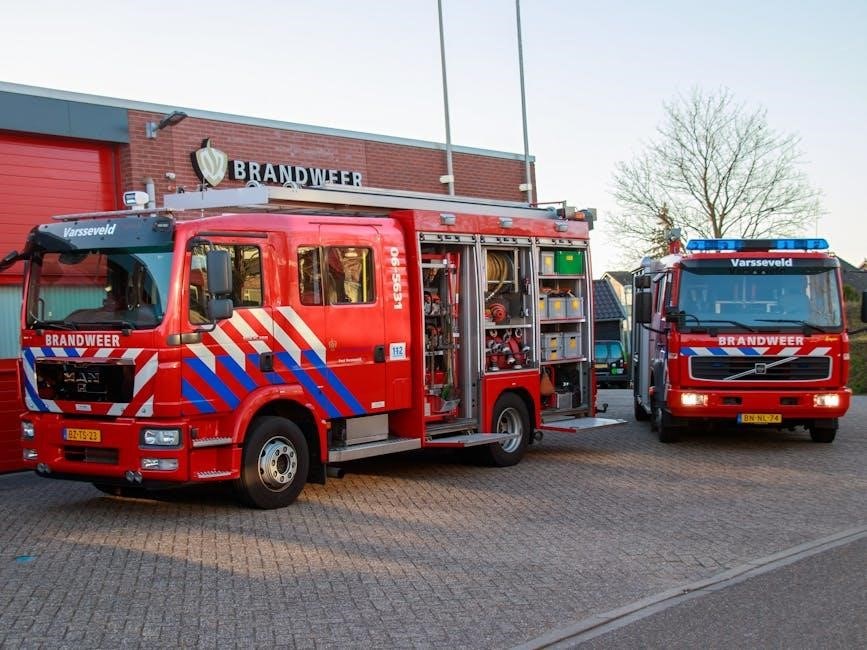
Common problems include activation failures, resetting difficulties, and physical damage to the station; regular inspections and professional maintenance are key to resolving these.
Activation failures with manual pull stations can stem from several sources, demanding systematic troubleshooting. Obstructions within the lever mechanism are a frequent cause, preventing complete engagement. A broken or damaged glass rod (in models utilizing them) will obviously hinder activation.
Furthermore, issues within the internal switch contacts can prevent signal transmission to the fire alarm control panel. Thorough visual inspection for physical damage, coupled with testing the station’s functionality, is essential. If failures persist, professional assessment and repair are crucial to ensure reliable operation during emergencies.
Resetting problems following activation can indicate issues within the pull station’s mechanism or the broader fire alarm system. A jammed reset lever is a common culprit, preventing the return to the normal, ready state. Sometimes, the issue lies with the fire alarm control panel failing to properly acknowledge the reset signal.
Ensure the key is correctly used (if applicable) and that no wiring connections are loose. If resetting continues to fail, professional inspection of both the pull station and the control panel is vital for restoring full system functionality.
Physical damage to a manual pull station compromises its reliability and can render it inoperable. Impacts, vandalism, or even accidental bumps can break the glass rod (on some models), damage the activating lever, or distort the housing.
Regular visual inspections are crucial for identifying such damage. A damaged station must be immediately replaced; attempting repairs is generally not recommended. Prompt replacement ensures continued protection and compliance with fire safety regulations.
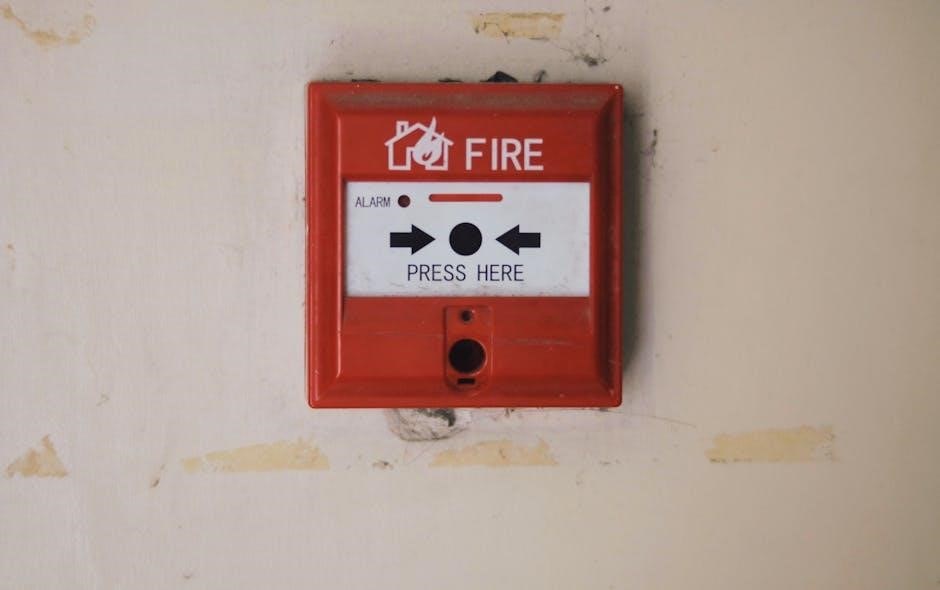
Pull stations effectively complement automatic fire systems, ensuring occupant evacuation and providing a vital manual override when automated detection fails.
While automated fire alarm systems are designed for rapid response, manual pull stations serve as a critical backup and enhancement to overall fire safety. They address scenarios where human observation detects a fire before automatic sensors, allowing for quicker activation of the alarm system and initiating evacuation procedures.
This redundancy is particularly important as automatic systems aren’t foolproof and can sometimes experience delays or failures. Pull stations empower building occupants to take immediate action, ensuring a swift and effective response, ultimately safeguarding lives and property. They don’t replace automatic systems, but rather work in harmony with them.
Manual pull stations play a vital role in facilitating swift and orderly occupant evacuation during a fire emergency. By providing a readily accessible means to activate the fire alarm, they immediately alert everyone within the building to the potential danger, prompting them to evacuate according to established fire safety plans.
This immediate notification is crucial, especially in situations where smoke or fire may obstruct visibility or hinder the effectiveness of automatic detection systems. Properly placed pull stations ensure that occupants can easily initiate the alarm, maximizing evacuation efficiency and minimizing risk.
Comprehensive training on the location and proper operation of manual pull stations is paramount for all building occupants. Awareness programs should emphasize that these stations are not toys and should only be activated in genuine fire emergencies to avoid unnecessary disruptions and potential fines.
Regular fire drills, coupled with clear instructions on pull station usage, empower individuals to respond effectively during a real fire event. This knowledge fosters a safety-conscious environment, ensuring a quicker and more organized evacuation process for everyone.
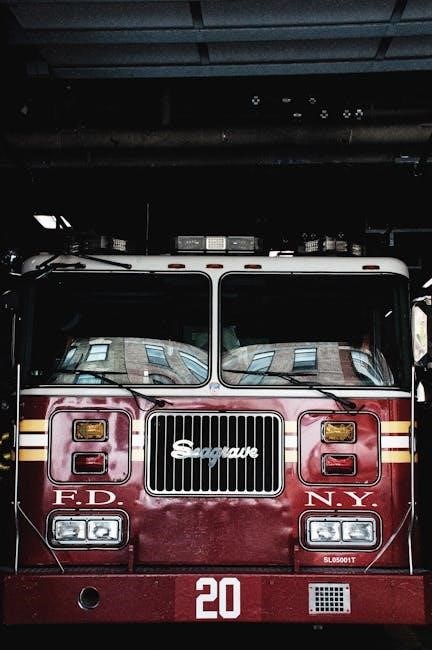
Smart pull stations are emerging, offering enhanced reporting capabilities and improved reliability, alongside advancements in wireless options for greater flexibility.
Traditional pull stations simply signal an alarm; however, the future lies in “smart” technology. These advanced stations offer detailed reporting, transmitting precise location data and even the initiating event’s time directly to the fire alarm control panel. This granular information drastically improves emergency response times and allows for more effective evacuation procedures.
Furthermore, smart pull stations can integrate with building management systems, providing a comprehensive overview of the situation. Remote monitoring and diagnostics become possible, reducing maintenance costs and ensuring optimal system performance. This proactive approach to fire safety represents a significant leap forward.
Modern pull stations are engineered with enhanced durability, utilizing robust materials and weather-resistant designs to withstand harsh environments and potential vandalism. Manufacturers are focusing on minimizing false alarms through improved mechanical designs and protective covers. This increased reliability is paramount for ensuring consistent functionality during critical events.
Furthermore, rigorous testing and quality control measures are implemented throughout the production process. These advancements translate to a longer lifespan, reduced maintenance requirements, and ultimately, greater peace of mind for building owners and occupants alike.