Categories

Navigating the world of Lost Mary vapes requires understanding proper charging protocols, especially with the UK’s shift from single-use to reusable devices.
Lost Mary vapes, alongside brands like ELFBAR, have become prominent tools for smokers seeking cessation in the UK. However, a successful transition – particularly moving from single-use to reusable models – hinges on a solid grasp of the device’s fundamentals. Before diving into charging, recognize that Lost Mary offers diverse devices, each potentially with unique specifications.
Understanding the internal components, particularly the battery, is crucial. These vapes utilize lithium-ion batteries, requiring careful handling and appropriate charging methods. Ignoring these guidelines can lead to reduced battery lifespan, malfunction, or even safety hazards. The recent focus on material research – examining antioxidants in vape liquid and refining heating coil alloys – underscores Lost Mary’s commitment to safety, but responsible user practices remain paramount.
Familiarize yourself with the device’s overall construction and identify the charging port before proceeding.
Accurate identification of your specific Lost Mary model is the first, and arguably most critical, step towards proper charging. Lost Mary, like ELFBAR, offers a rapidly expanding range of devices, and charging requirements can vary significantly between them. Some models utilize the now-standard USB-C port, while others may employ a proprietary charging connector.
Locate any model numbers or names printed directly on the device itself – often found on the base or near the mouthpiece. Referencing the packaging your Lost Mary came in is also highly recommended, as it should clearly state the model information. Once identified, consult the official Lost Mary website or user manual for precise charging specifications.
Incorrect charging can damage the battery and void any warranty. Knowing your model ensures you use the correct charger and avoid potential issues.
The location and type of charging port on your Lost Mary vape are key to successful charging. Many newer Lost Mary models are adopting the universally compatible USB-C port, typically found on the bottom of the device. This offers convenience and wider charger compatibility.

However, older or specific Lost Mary iterations may still utilize a proprietary charging connector. These connectors are unique to Lost Mary and require a specific cable or adapter. Carefully inspect the charging port on your device to determine its type.

Using the wrong cable – attempting to force a USB-C cable into a proprietary port, for example – can cause physical damage. Always prioritize using the correct cable to protect your device and ensure a stable charging connection, especially during the UK transition.
Selecting the right charger is crucial for your Lost Mary vape’s longevity and performance. If your device uses USB-C, a standard 5V/1A or 5V/2A USB wall adapter is generally suitable. Many phone chargers will work effectively, but ensure they are from reputable brands to avoid potential safety issues.
For Lost Mary devices with proprietary ports, always use the official Lost Mary charger or a compatible adapter specifically designed for your model. Avoid using high-powered chargers not intended for vapes, as this can overcharge the battery and cause damage.
Steer clear of cheap, unbranded chargers, as they may lack essential safety features and could pose a fire hazard, particularly relevant with the evolving UK vaping regulations and device transitions.

Lost Mary prioritizes safety and optimal charging with its official charger range. These chargers are specifically engineered to deliver the correct voltage and current for each Lost Mary device, ensuring a consistent and reliable charge. Utilizing an official charger minimizes the risk of overcharging, battery damage, or potential safety hazards.

Official chargers are readily available through the Lost Mary website and authorized retailers. They are designed with built-in protection circuits to prevent short circuits, overheating, and overcurrent. Given the UK’s transition from single-use to reusable vapes, investing in a quality official charger is particularly important for long-term device health.
Always verify the charger’s compatibility with your specific Lost Mary model before use, ensuring a secure and efficient charging experience;
While official Lost Mary chargers are recommended, understanding third-party compatibility is crucial, especially with the UK’s evolving vaping landscape. If opting for a non-official charger, prioritize those adhering to USB-C Power Delivery (PD) standards, if your device utilizes USB-C. Ensure the charger’s output voltage and current closely match your Lost Mary’s specifications – typically 5V/1A or 5V/2A.
Avoid chargers with excessively high wattage or fast-charging capabilities, as these can potentially damage the battery. Lower-quality third-party chargers may lack essential safety features like overcharge protection, increasing risks. Thoroughly research the charger’s brand and read user reviews before purchasing.

Remember, using incompatible chargers voids any warranty and could compromise device safety, particularly as reusable vapes gain prominence.
Ensuring correct charging is vital for your Lost Mary vape’s longevity, particularly with the UK’s transition towards reusable devices. First, locate the charging port on your specific model – USB-C or proprietary. Gently insert the compatible charging cable into the port and connect it to a suitable power source. Avoid forcing the cable, as this could damage the connector.
Observe the charging indicator light; its behavior will signal the charging status (see ‘Charging Indicators’ section). Allow the device to charge fully, typically indicated by a change in the light’s color or pattern. Disconnect the charger once fully charged to prevent overcharging.
Regularly inspect the charging port for debris and clean it gently if necessary. Always use a dry, soft cloth.
Lost Mary vapes utilize light signals to communicate charging status, crucial for understanding when your device is ready. These indicators vary slightly between models, but common patterns exist. A solid light generally signifies the device is currently charging and receiving power. The color of the solid light may also indicate charge level – for example, green for full, yellow for partial, and red for low.

Flashing lights often denote different stages. A slow flash could mean the device is nearing a full charge, while a rapid flash might indicate a low battery or a charging error. Refer to your specific model’s documentation for precise interpretations. Pay attention to any unusual light patterns, as they could signal a problem requiring troubleshooting.
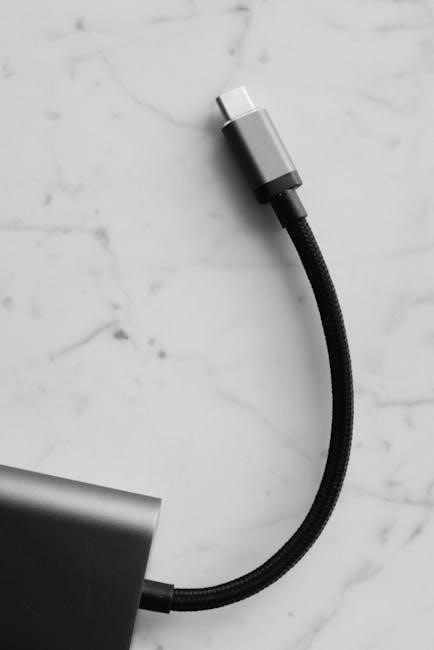
A consistently illuminated light on your Lost Mary vape during charging typically confirms a stable power connection. However, the color of this solid light is paramount to understanding the charging process. Many Lost Mary models employ a tri-color system: a solid green light generally indicates a fully charged battery, signaling readiness for use. A solid yellow or amber light usually signifies the device is currently charging and is between a partially charged and fully charged state.
Conversely, a solid red light almost universally denotes a low battery level and that the device is actively charging from a depleted state. It’s important to note that some older or specific models might deviate from this standard, so consulting the device’s manual is always recommended for accurate interpretation of solid light signals.
Flashing lights on your Lost Mary vape during charging often communicate specific issues or stages within the charging cycle. A rapidly flashing light, particularly in red, frequently indicates a problem establishing a proper connection with the charger or a potential incompatibility issue. This could stem from a faulty cable, a damaged charging port, or using an unapproved charger.
A slowly flashing light, often in yellow or amber, might suggest the device is nearing a full charge and is transitioning into a maintenance or trickle-charge phase. Some models utilize flashing patterns to display battery percentage, though this is less common. Always refer to your device’s specific manual to decode the precise meaning of each flashing sequence, ensuring you understand the charging status and address any potential problems promptly.
Encountering charging difficulties with your Lost Mary vape is common, but often easily resolved. Begin by verifying the charger and cable are functioning correctly with another device. Inspect the charging port on the vape for any debris or damage – gently cleaning it with compressed air can help. If the device isn’t charging at all, try a different USB port or wall adapter, ensuring it delivers sufficient power.
Slow charging can indicate a weak connection or an incompatible charger. Avoid using fast chargers unless specifically recommended by Lost Mary. Overcharging isn’t typically a concern with modern devices, but prolonged charging after reaching full capacity should be avoided. If issues persist, consult the official Lost Mary support resources or retailer for assistance.
If your Lost Mary vape refuses to charge, a systematic approach is crucial. First, confirm the charging cable is securely connected to both the vape and the power source. Test the USB port or wall adapter with another device to rule out a faulty power supply. Carefully inspect the vape’s charging port for any visible damage or obstructions like lint or debris; a gentle cleaning with compressed air is recommended.
Attempt a different USB cable, as cables are often the point of failure. Ensure you’re using a compatible charger – refer to the device’s documentation. If none of these steps resolve the issue, the battery may be deeply discharged or there could be an internal fault requiring professional attention or device replacement.
Experiencing sluggish charging with your Lost Mary vape can be frustrating. Several factors contribute to this issue. Using a charger with insufficient wattage is a common culprit; opt for a charger delivering at least 5V/1A for optimal speed. A damaged or low-quality USB cable can significantly impede charging efficiency – try a different, known-good cable.
The charging port itself might be partially obstructed by debris, hindering a solid connection. Inspect and gently clean it. Furthermore, charging while the device is in use will drastically slow down the process. Ensure the vape is stationary and not being puffed on during charging. If the problem persists, the battery’s internal resistance may have increased, indicating potential degradation.
While Lost Mary vapes often incorporate safety mechanisms, overcharging remains a potential concern, impacting battery lifespan and safety. Modern devices typically feature overcharge protection, halting the charging process once full capacity is reached. However, relying solely on this isn’t advisable.
The best preventative measure is simply disconnecting the vape once it’s fully charged. Avoid leaving it plugged in overnight or unattended for extended periods. Using a smart plug with a timer can automate this process, ensuring consistent protection. Regularly inspect your charger and cable for any signs of damage, as faulty equipment can bypass safety features. Prioritizing quality components and mindful charging habits are crucial for long-term vape health and user safety.
Ensuring battery safety with your Lost Mary vape is paramount, especially considering the evolving landscape of reusable devices in the UK. Always charge your vape on a non-flammable surface, away from combustible materials. Never leave a charging vape unattended, and avoid charging it in direct sunlight or extreme temperatures.
Proper storage is also vital; keep your vape in a cool, dry place when not in use. Avoid dropping or subjecting the device to physical shock, as this can damage the battery internally. If you notice any swelling, leaking, or unusual heat, discontinue use immediately and dispose of the device responsibly. Familiarize yourself with local regulations regarding vape disposal, and prioritize safety above all else.
Maximizing the lifespan of your Lost Mary vape’s battery requires mindful usage and charging habits. Avoid fully discharging the battery before recharging; instead, top it up when it reaches around 20-30% capacity. This practice helps preserve the battery’s overall health and longevity.
Reduce your puff frequency and vaping intensity to conserve power. When storing your vape for extended periods, charge it to approximately 50-60% to prevent deep discharge. Utilize a compatible charger, avoiding fast charging options that can generate excessive heat. Regularly cleaning the charging port ensures a stable connection and efficient charging. By implementing these simple strategies, you can significantly extend your Lost Mary vape’s battery life and enjoy a consistently satisfying vaping experience.
While seemingly unrelated, the type of e-liquid used in your Lost Mary vape can subtly influence charging dynamics and battery performance. Liquids with higher VG (Vegetable Glycerin) content tend to be thicker and may require slightly more power to vaporize, potentially leading to marginally faster battery drain during use.
Conversely, liquids with higher PG (Propylene Glycol) content are thinner and generally consume less power. However, the impact is typically minimal and shouldn’t drastically affect charging frequency. Ongoing research, as seen with ELFBAR and LOST MARY’s antioxidant and sweetener studies, focuses on liquid composition. Ensuring your liquid is from a reputable source and free of contaminants is crucial for overall device health, indirectly impacting battery efficiency and charging stability. Consistent use of quality e-liquid contributes to a smoother vaping experience and optimized battery life.

The evolving UK vaping landscape, driven by regulations shifting from single-use to reusable devices, significantly impacts Lost Mary vape charging practices. Previously, single-use Lost Mary vapes were discarded once depleted; now, the focus is on rechargeable, refillable systems. This transition necessitates understanding proper charging protocols to maximize the lifespan of reusable devices and their batteries.

ELFBAR and LOST MARY are actively supporting retailers with guidance on this change. Reusable vapes require consistent and correct charging to maintain battery health and prevent premature degradation. Adhering to recommended charging procedures, utilizing compatible chargers, and avoiding overcharging are now paramount. This regulatory shift emphasizes responsible vaping and encourages users to adopt sustainable practices, directly influencing how Lost Mary vapes are powered and maintained.
Recent research into Lost Mary vape components, specifically focusing on potentially harmful antioxidants in vape liquids and the refinement of heating coil alloys, indirectly influences optimal charging practices. The integrity of these materials impacts the device’s overall performance and longevity, which, in turn, affects charging efficiency and battery health.
Studies involving 281 tests are underway to ensure liquid sweeteners remain within safe limits. Improved alloy compositions in heating coils contribute to more consistent power draw during vaping, potentially reducing strain on the battery during charging cycles. Understanding these material science advancements allows for informed charging habits, maximizing the lifespan of both the battery and the device itself. Maintaining a stable charging process complements the advancements in material quality within Lost Mary vapes.
While seemingly unrelated, continuous studies on liquid sweetener safety within Lost Mary vapes have implications for responsible device usage, including charging habits. The composition of the e-liquid can affect the overall chemical environment within the device, potentially influencing long-term battery health and charging performance.
Currently, 281 tests are being conducted to rigorously assess the safety profile of these sweeteners, ensuring they remain well within established safety limits. A cleaner e-liquid composition minimizes residue buildup on the heating coil and within the device’s internal components. This reduced buildup can contribute to more efficient power transfer during charging and vaping. Prioritizing sweetener safety indirectly supports optimal charging practices and extends the device’s operational lifespan, aligning with responsible vaping principles.