Categories

10×30 canopy tents offer versatile shelter, frequently used for events; assembly instructions are crucial for safe and effective setup, as detailed guides exist.
A 10×30 canopy tent is a portable shelter measuring ten feet by thirty feet, providing 300 square feet of covered space. These tents are incredibly popular for outdoor events, offering protection from sun and light rain. They typically feature a frame constructed from either steel or aluminum, covered with a durable canopy fabric, often PVC-coated polyester at 650 g/m².
The dimensions make them suitable for accommodating tables, chairs, and a considerable number of people. Assembly usually involves connecting frame sections and securing the canopy fabric over the top. Detailed instructions, often multilingual (like the provided examples in German, French, and Italian), are essential for proper setup. Accessories like stakes, ropes, and fasteners are included for anchoring and stability.
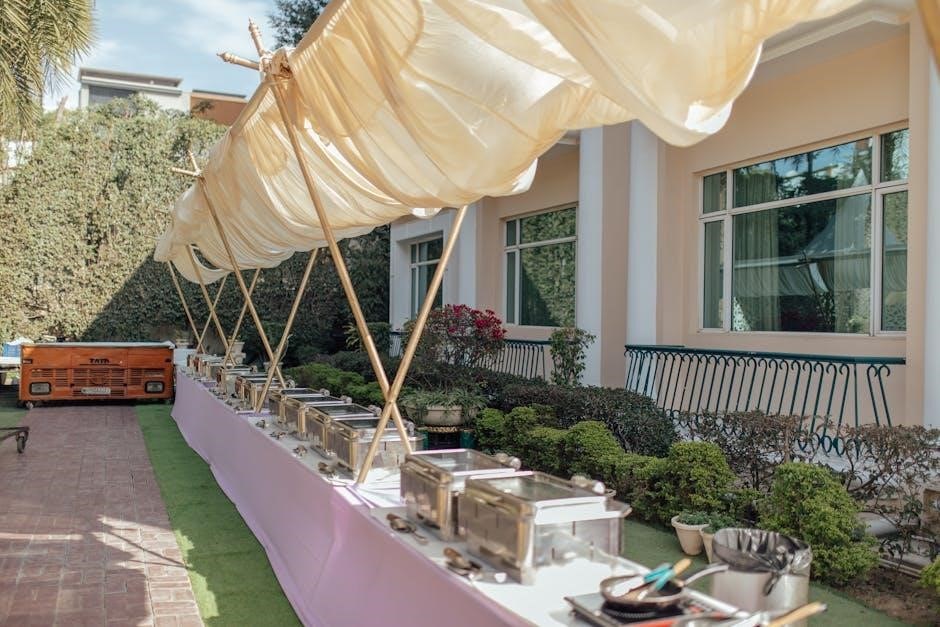
10×30 party tents are remarkably versatile, serving numerous purposes. They’re frequently used for outdoor weddings, providing elegant shelter for guests and dining areas. Backyard parties and barbecues benefit from the shade and protection from the elements. Commercial applications include vendor booths at fairs and festivals, offering a covered space for displaying goods.
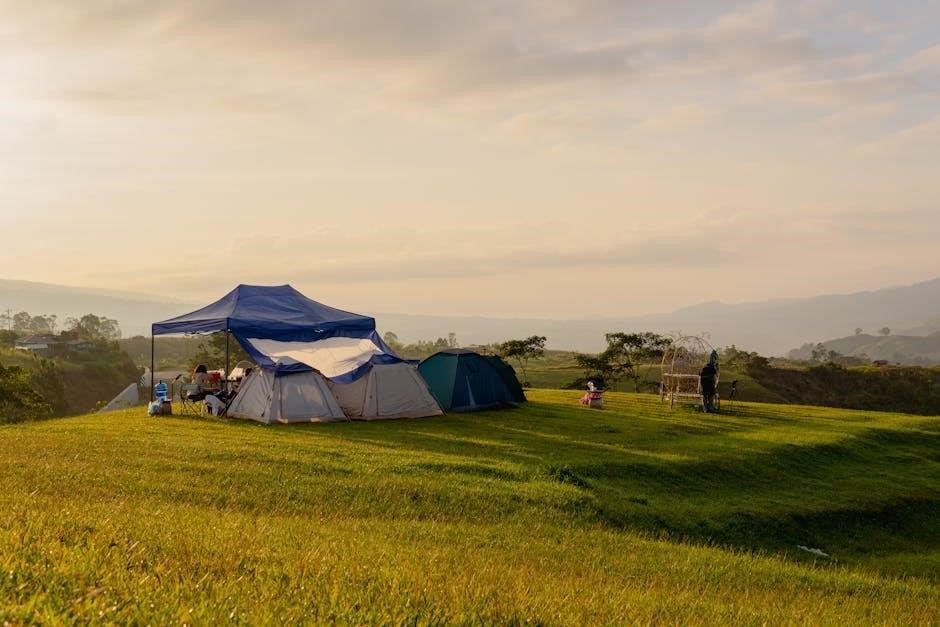
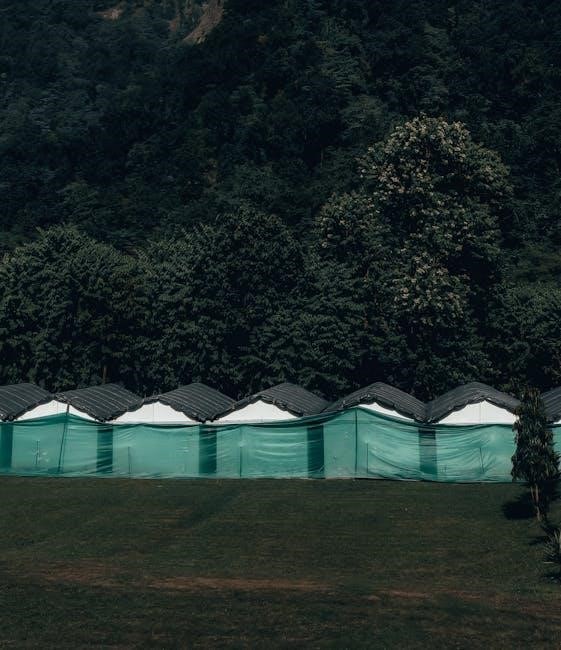
These tents also excel as temporary workspaces, providing shelter during outdoor events or construction. Some models allow for use of just the canopy, omitting the inner room for simpler setup. Accessories like sidewalls (removable and fastener-attached) enhance protection, while clear roofs or windows offer increased light. Proper assembly, guided by included manuals, ensures stability and safety.
10×30 canopy tents consist of a frame (steel or aluminum), durable PVC fabric (650 g/m²), and essential accessories like stakes, ropes, and fasteners for secure setup.
Steel frames, commonly found in 10×30 canopy tents, offer robust strength and durability, making them suitable for frequent use and challenging weather conditions. However, they are considerably heavier than aluminum counterparts, impacting portability and assembly ease. The provided documentation references an “оцинкованной стали” (galvanized steel) frame, suggesting corrosion resistance.

Aluminum frames, while generally more expensive, provide a significant weight reduction, simplifying transport and setup. They are also naturally corrosion-resistant. Despite being lighter, quality aluminum frames maintain sufficient strength for typical event use. Choosing between steel and aluminum depends on prioritizing durability versus portability, and the frequency of tent use. Consider the trade-offs carefully when reviewing assembly instructions.
PVC (Polyvinyl Chloride) is the predominant material for 10×30 canopy tent fabrics, prized for its waterproof nature and durability. The specification of 650 g/m² indicates a substantial fabric weight, signifying enhanced resistance to tearing and weathering. Heavier fabrics generally offer superior longevity and performance.
The provided information mentions “тент из ПВХ 650 г/м” (PVC fabric 650 g/m²), confirming its common usage. Additional features like “Красочные покрытия” (colorful coatings) and “прозрачную крышку” (transparent roof) suggest options for customization. Maintaining the fabric’s integrity is vital; cleaning instructions should be followed diligently to prevent mildew and UV degradation, ensuring a long-lasting canopy.
Essential for secure setup, 10×30 canopy tents typically include stakes, ropes, and fasteners. Stakes anchor the tent legs to the ground, while ropes, connected to the canopy’s peak and sides, provide additional stability against wind. Fasteners, often hook-and-loop or buckles, secure sidewalls and other accessories.
The provided text confirms the inclusion of “комплект крепежей и анкеров” (a set of fasteners and anchors) and “ropes and stakes”. These components are critical for safety, especially in adverse weather. Proper use, as detailed in the assembly instructions, is paramount. Consider additional weighting options for enhanced security, particularly in exposed locations.

Prior to assembly, carefully select a level site and consider potential wind conditions; always heed technical safety features within the instructions.
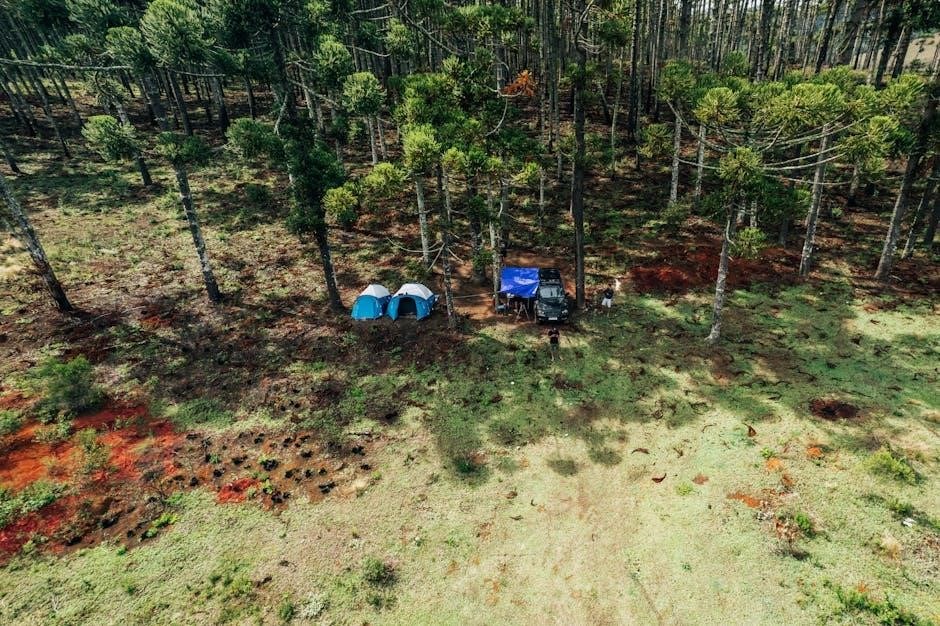
Choosing the right location is paramount for a secure 10×30 canopy setup. Prioritize a flat, level surface to prevent instability and potential collapse. Inspect the ground for hidden hazards like rocks, roots, or underground utilities before beginning assembly. Avoid pitching your tent directly under trees due to falling branches, especially during inclement weather.
Consider the ground’s composition; soft soil may require wider stake penetration or additional weighting. Hard, compacted ground might necessitate a rubber mallet for stake insertion. Ensure sufficient space around the tent perimeter for proper anchoring and guyline extension. A well-prepared site significantly enhances the tent’s stability and safety, minimizing risks associated with wind or uneven terrain. Always refer to the included assembly instructions for specific recommendations.
10×30 canopy tents, while robust, are susceptible to wind damage. Always check the weather forecast before erecting your tent and postpone setup if strong winds are predicted. Securely anchor the tent using all provided stakes and ropes, ensuring proper tension on guy lines. Consider adding extra weight – sandbags or water barrels – for increased stability in breezy conditions.
During inclement weather, periodically inspect the tent for any signs of stress or loosening. Never attempt to disassemble the tent in high winds. If a storm develops while the tent is in use, seek shelter immediately. Refer to the assembly instructions for specific wind-resistance ratings and safety guidelines. Prioritizing weather awareness is crucial for a safe event.
Begin by carefully laying out the frame components, connecting sections according to the included manual, and then securely attaching the PVC canopy fabric.
Begin the assembly process by completely unpacking all frame components and verifying that all parts listed in the instruction manual are present. Clear a spacious, flat area, free from obstructions, to accommodate the 10×30 foot tent dimensions. Lay out the base rails first, forming the rectangular perimeter of the tent.
Next, identify the corner connectors and the central support legs. Position the corner connectors at each corner of the base rails, ensuring they are oriented correctly for upward assembly. Carefully insert the legs into the corner connectors, and then begin assembling the side rails, connecting them to both the base rails and the corner connectors. Refer to the diagrams in the manual for proper orientation and connection points.
Double-check all connections to ensure they are snug but not fully tightened at this stage, allowing for adjustments during the subsequent steps.
With the base frame laid out, begin connecting the upper frame sections. Identify the roof rails and any intermediate support beams. Carefully lift and connect these sections to the upright legs and corner connectors, utilizing the provided push-pin connectors or bolts. Ensure each connection is secure before proceeding to the next.
Pay close attention to the orientation of the roof rails, as they often have designated sides for proper canopy attachment. If your tent includes a central peak support, install it now, connecting it to the central legs and roof rails.
Gradually work your way around the frame, tightening all connections as you go, but avoid over-tightening, which could damage the frame. Regularly check for alignment and stability throughout this process.
Once the frame is fully assembled, carefully drape the canopy fabric over the top. Begin at one end and gently pull the fabric across the frame, ensuring even distribution. Locate the Velcro straps, clips, or other fastening mechanisms along the edges of the canopy and the frame.
Securely attach the canopy fabric to the frame, working your way around the perimeter. Ensure the fabric is taut but not overly stretched, to prevent tearing. Pay attention to corners and edges, making sure they are firmly fastened.
Some canopies feature additional tie-down points; utilize these for added security, especially in windy conditions.
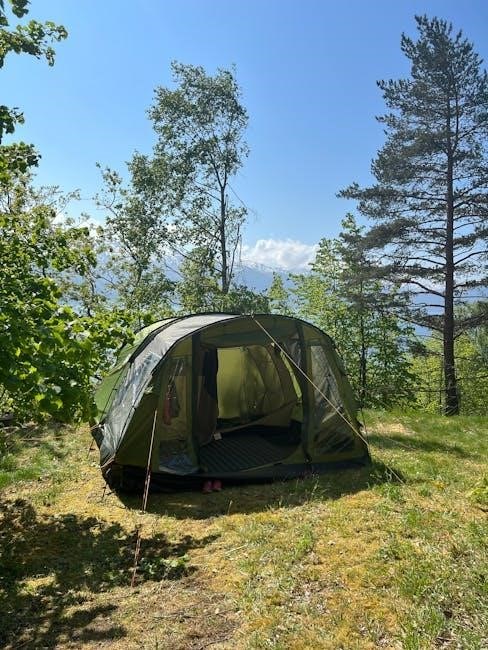
Proper anchoring is vital for stability; use provided stakes and ropes, or consider additional weighting for enhanced security against wind and weather.
Securing your 10×30 canopy with stakes and ropes is fundamental for stability, especially in breezy conditions. Begin by inserting heavy-duty stakes through the designated loops or grommets located at each corner of the canopy. Ensure the stakes are driven firmly into the ground at a 45-degree angle, away from the tent.
Next, attach the provided ropes to the stakes and then to the corresponding points on the canopy frame. Tighten the ropes to create tension, pulling the canopy taut. Adjust the rope length as needed to ensure even distribution of tension across all corners. Regularly check the stakes and ropes throughout the event, re-tightening or re-staking as necessary to maintain a secure hold. For softer ground, consider using longer stakes or sandbags for added stability.
Beyond stakes and ropes, augmenting your 10×30 canopy’s stability with extra weight is highly recommended, particularly for events anticipating wind or unstable ground. Sandbags, strategically placed inside the canopy legs, provide substantial downward force. Water weights, utilizing containers filled with water, offer a cost-effective alternative.
Distribute the weight evenly across all four legs to prevent uneven stress on the frame. Consider using canopy weights specifically designed for this purpose, which often feature a low profile and secure attachment points. Remember that even with added weight, consistent monitoring of the canopy’s stability is crucial, especially during inclement weather. Prioritize safety and adjust weighting as conditions change.
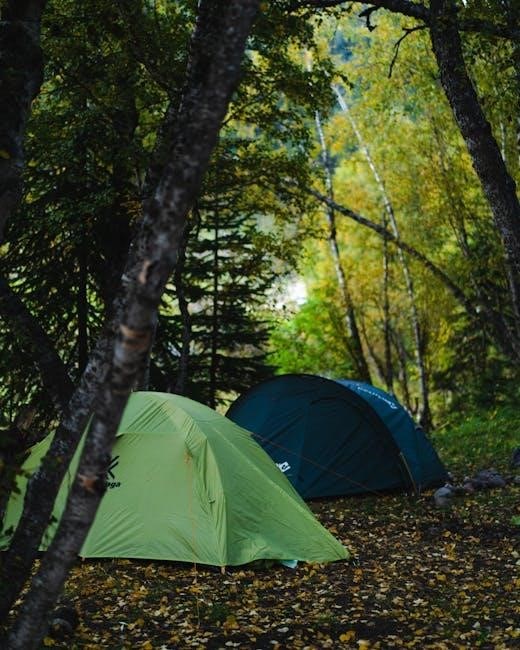
Removable sidewalls attach with fasteners, enhancing enclosure; installation is straightforward, utilizing included ropes and stakes for secure attachment, as per the manual.
Begin by carefully unfolding the desired sidewall panel, ensuring it’s free from any creases or damage. Locate the attachment points – typically Velcro straps, buckles, or grommets – along the edges of both the sidewall and the canopy frame. Align the sidewall with the corresponding frame sections, starting at a corner for stability.
Secure the sidewall using the provided fasteners. For Velcro, press firmly to ensure a strong bond. Buckles should click securely into place. If grommets are present, use ropes or bungee cords to tie the sidewall to the frame, distributing tension evenly. Repeat this process for each sidewall, working your way around the canopy. Ensure each sidewall is taut and properly aligned before fully securing it, preventing gaps or sagging. Remember to consult the specific instructions included with your canopy model for detailed guidance.
Various methods secure sidewalls to a 10×30 canopy. Velcro straps are common, offering quick attachment and detachment, requiring firm pressure for a strong hold. Buckles provide a more secure connection, clicking into place on frame loops, ideal for windy conditions. Grommets, reinforced holes, necessitate ropes or bungee cords tied to the frame, distributing tension for stability.
Fasteners, included with the canopy, are crucial. Some models utilize hook-and-loop closures for easy adjustments. Ensure all connections are tight and evenly spaced to prevent sagging or detachment. Regularly inspect fasteners during use, especially in adverse weather. Proper fastening guarantees sidewall integrity and maximizes the canopy’s protective capabilities, creating a fully enclosed space.

Proper disassembly involves reversing assembly steps; cleaning the PVC fabric and storing the frame and accessories in the provided transport bag is key.
Begin by detaching all sidewalls, carefully removing fasteners. Next, loosen and remove the canopy fabric, folding it neatly to prevent creases and damage. Disconnect the frame sections, starting with the corners and working your way inwards. It’s beneficial to have assistance during this stage, especially with larger tents.
As you disassemble, lay out the components in an organized manner to facilitate counting and ensure nothing is left behind. Refer to the original assembly instructions if needed, reversing the steps. Once fully disassembled, inspect all parts for damage or wear. This is an ideal time to address any minor repairs before storage. Remember, careful disassembly protects your investment and simplifies future setup.
Regular cleaning extends the life of your 10×30 canopy’s fabric. After each use, remove dirt and debris with a soft brush or cloth. For more stubborn stains, use mild soap and water, avoiding harsh chemicals or abrasive cleaners. Rinse thoroughly and allow the fabric to air dry completely before storing.
Inspect the PVC fabric (650 g/m²) for tears or punctures, repairing them promptly with a suitable patch kit. Avoid prolonged exposure to direct sunlight, as UV rays can degrade the material over time. Proper cleaning and maintenance prevent mildew and ensure your canopy remains waterproof and durable for years to come.
Proper storage safeguards your 10×30 canopy for future use. Disassemble the frame completely, ensuring all sections are clean and dry before storing. Organize components – poles, connectors, stakes, ropes – into labeled bags or containers. Store the frame in a dry, sheltered location, away from extreme temperatures and humidity.
The canopy fabric should also be thoroughly dry before being folded and stored in its provided bag. Keep accessories together with the frame for easy access. A dedicated storage space prevents damage and ensures all parts are readily available when you need to set up your canopy again, extending its lifespan.